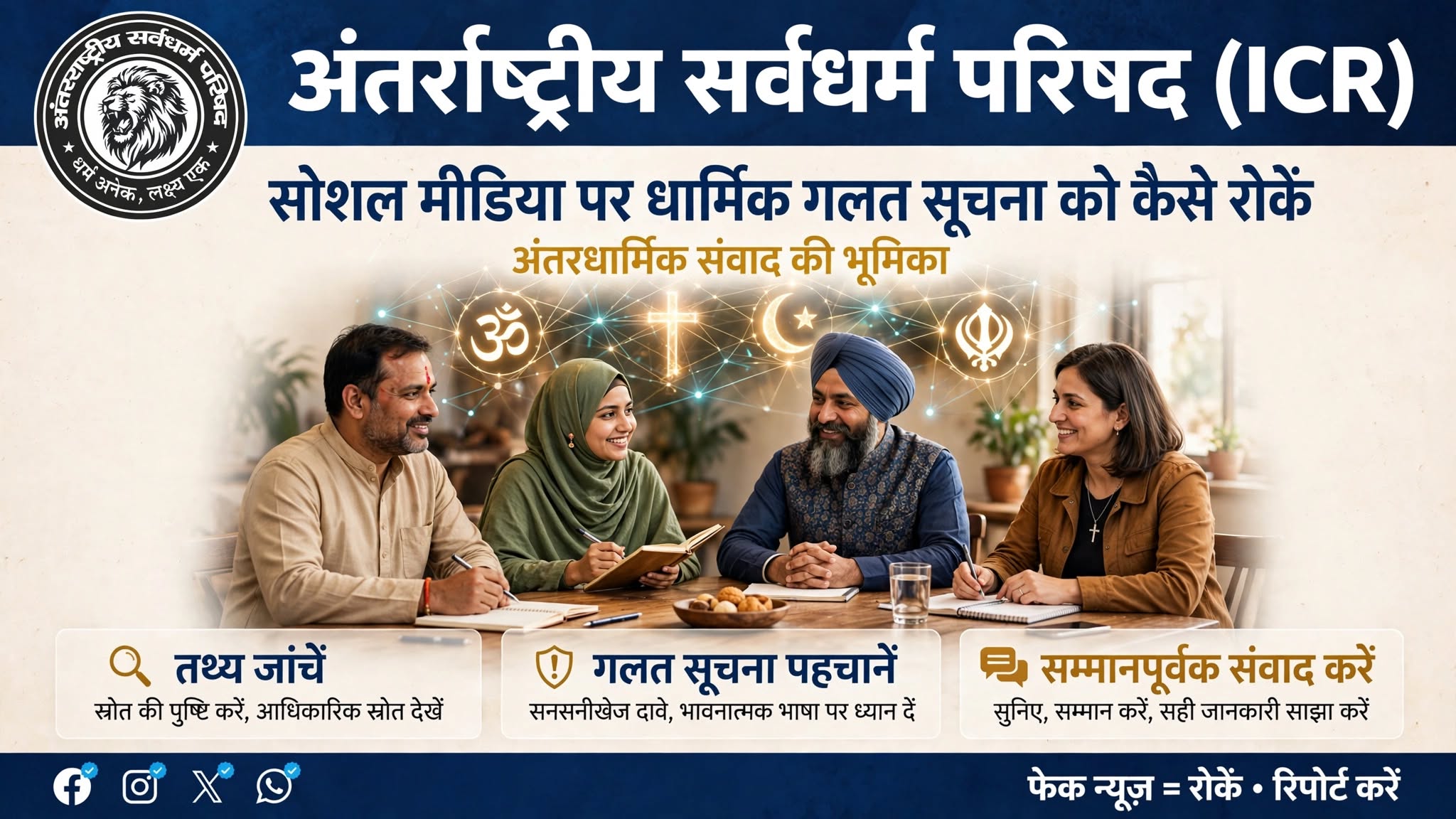
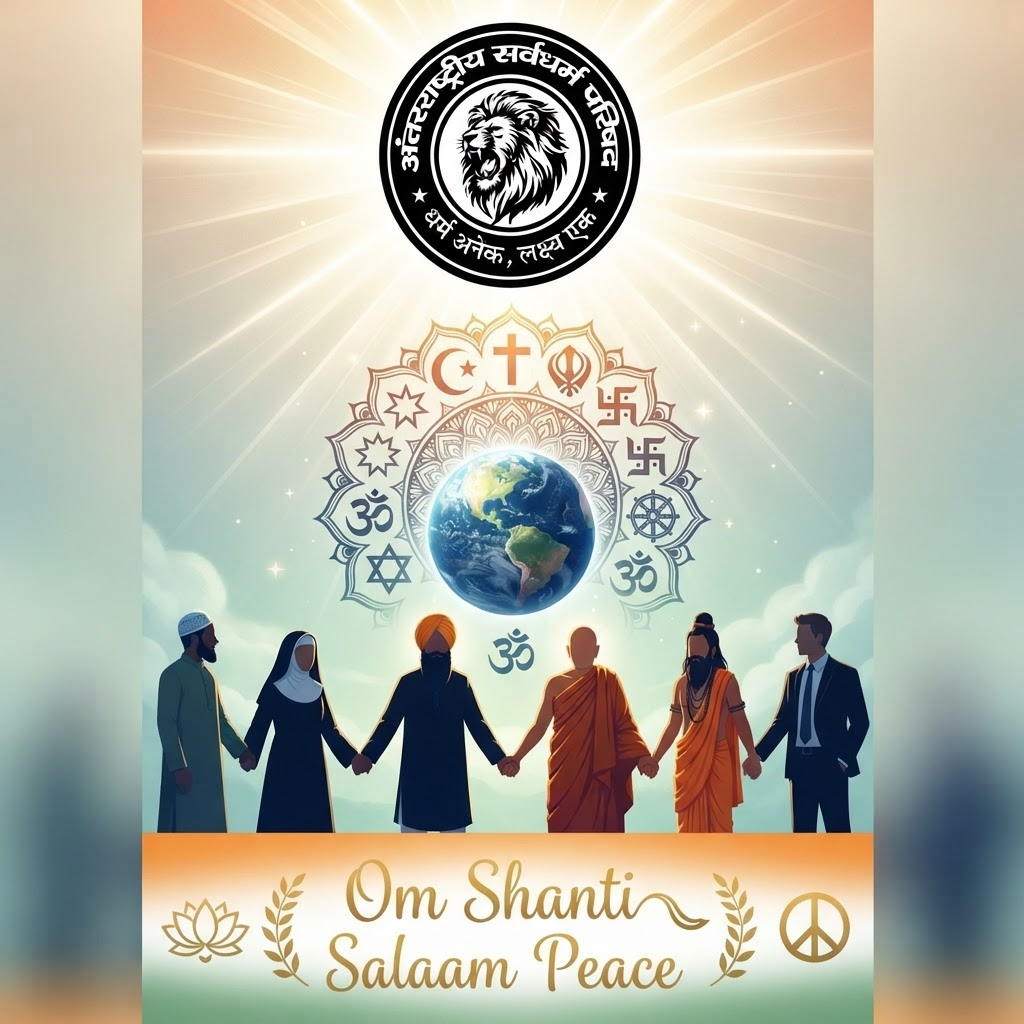
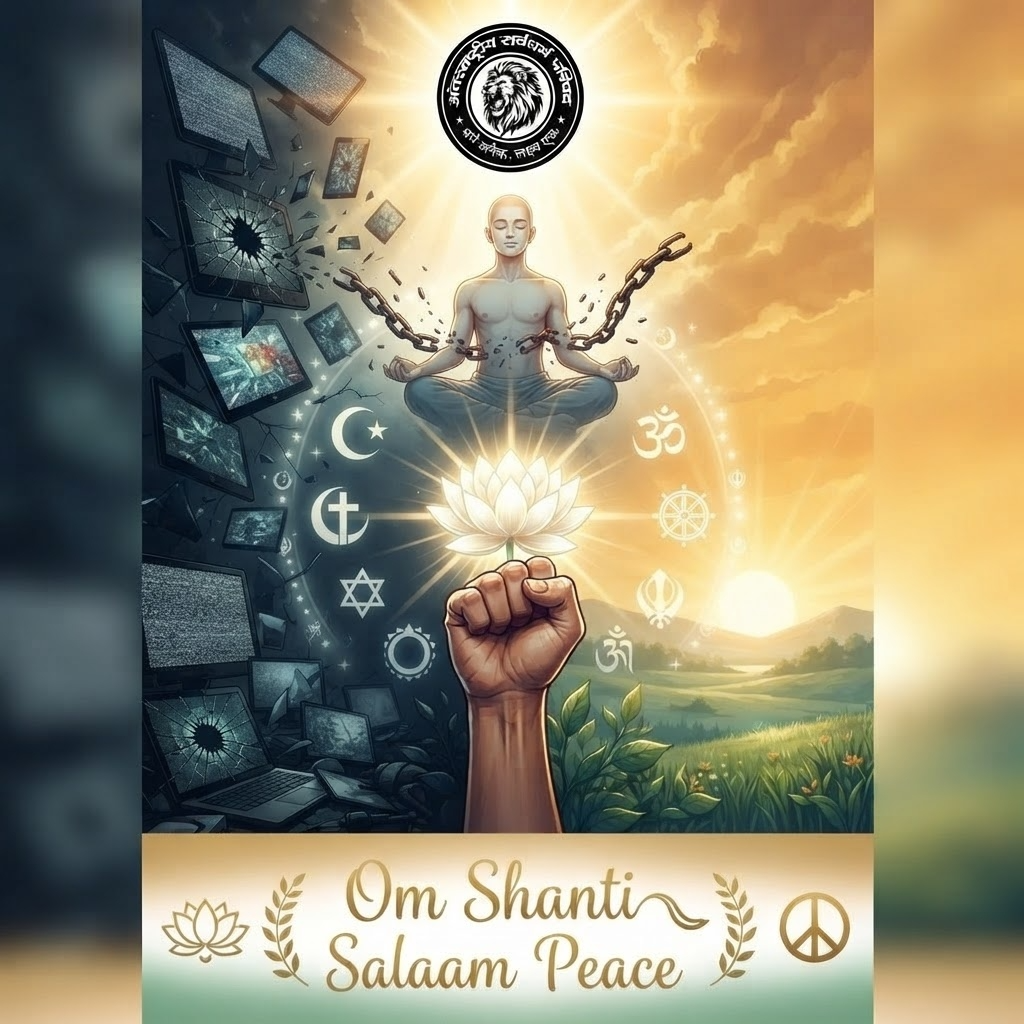
'Sarva Dharma Sambhava' and the International Council of Religions (ICR)
Eradicating Hatred Through Sarva Dharma: An Urgent Global Call for Universal Brotherhood and Communal Healing
How the Ancient Ideal of 'Sarva Dharma Sambhava' and the International Council of Religions (ICR) Can Extinguish the Flames of Mutual Animosity
1. The Bleeding Wounds of Society: Understanding the Poison of Mutual Hatred
Look around our world today. Behind the glittering facades of modern cities and digital advancements lies a painful, bleeding reality: neighbor looking at neighbor with suspicion, communities drifting apart into hostile silos, and ancient sacred traditions being weaponized to spread fear, hatred, and bloodshed.
Who truly benefits when hatred burns a city? Not the Hindu whose temple is desecrated, not the Muslim whose home is burned, not the Christian whose church is attacked, not the Sikh whose gurudwara is mourned. The only winner in hatred is destruction itself. Every drop of innocent blood spilled on the sacred soil of humanity diminishes our collective soul.
It is time to look into the mirror and ask: Is this the world we wish to leave for our innocent children—a world choked by bitterness, or a world illuminated by mutual compassion?
2. What is 'Sarva Dharma'? The Timeless Antidote to Communal Division
The profound Indian philosophical principle of 'Sarva Dharma Sambhava' (सर्वधर्म समभाव) is not a political slogan; it is the highest spiritual realization. It proclaims that truth is one, though sages describe it across diverse languages and traditions (Ekam Sat Vipra Bahudha Vadanti).
Sarva Dharma does not demand that you compromise or dilute your own faith. Rather, it asks you to dive so deeply into your own spiritual tradition that you discover the universal fountain of love and compassion flowing at its core. When you truly love your own God, you cannot hate God's creation.
3. The Shared Sacred Command: Love Over Hate Across World Traditions
Every sacred scripture delivered to mankind has arrived as a message of peace, not a mandate for hostility. The common thread binding all religions is unmistakable:
|
Sacred Tradition |
Scriptural Injunction |
Universal Ethical Meaning |
|---|---|---|
|
Sanatana Dharma (Hinduism) |
अयं निजः परो वेति गणना लघुचेतसाम् । |
'This is mine, that is another's' is the mindset of narrow minds. For the noble-hearted, the entire earth is but one family. |
|
Islam |
وَلَا تَسْتَوِي الْحَسَنَةُ وَلَا السَّيِّئَةُ ۚ ادْفَعْ بِالَّتِي هِيَ أَحْسَنُ |
Good and evil are not equal. Repel evil with that which is better, and he between whom and you was enmity will become as an intimate friend. |
|
Christianity |
"Blessed are the peacemakers, for they shall be called children of God." |
Active peacebuilding and radical love toward one's neighbor are the ultimate hallmarks of true spiritual discipleship. |
|
Sikhism |
ਨਾ ਕੋ ਬੈਰੀ ਨਹੀ ਬਿਗਾਨਾ ਸਗਲ ਸੰਗਿ ਹਮ ਕਉ ਬਨਿ ਆਈ ॥ |
None is my enemy, and none is a stranger; I am in friendship and accord with all beings. |
|
Buddhism & Jainism |
न हि वेरेन वेरानि सम्मन्तीध कुदाचनं । |
Hatred is never appeased by hatred in this world; by love alone is hatred quelled. This is an eternal law (Sanatana Dhamma). |
4. The 5-Point Sacred Pledge: How Every Citizen Can Disarm Hatred Today
To cleanse the toxin of mutual enmity from our homes, streets, and digital spaces, ICR calls upon every conscious individual to adopt the 5 Sacred Pledges:
5. ICR: The Institutional Fortress for Communal Harmony
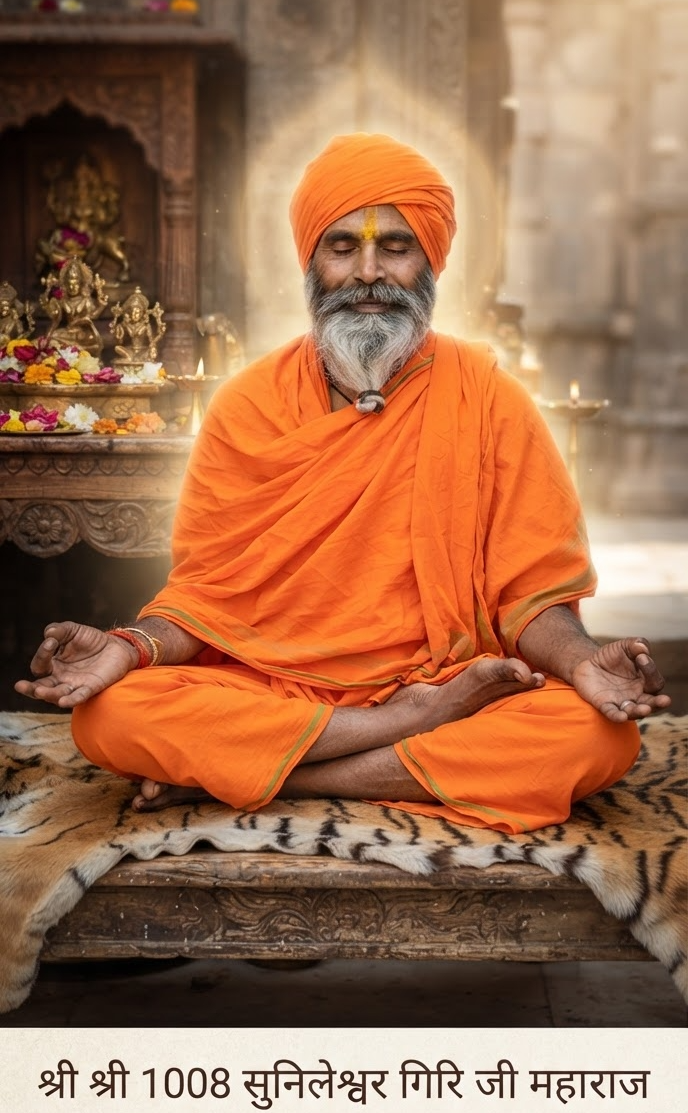
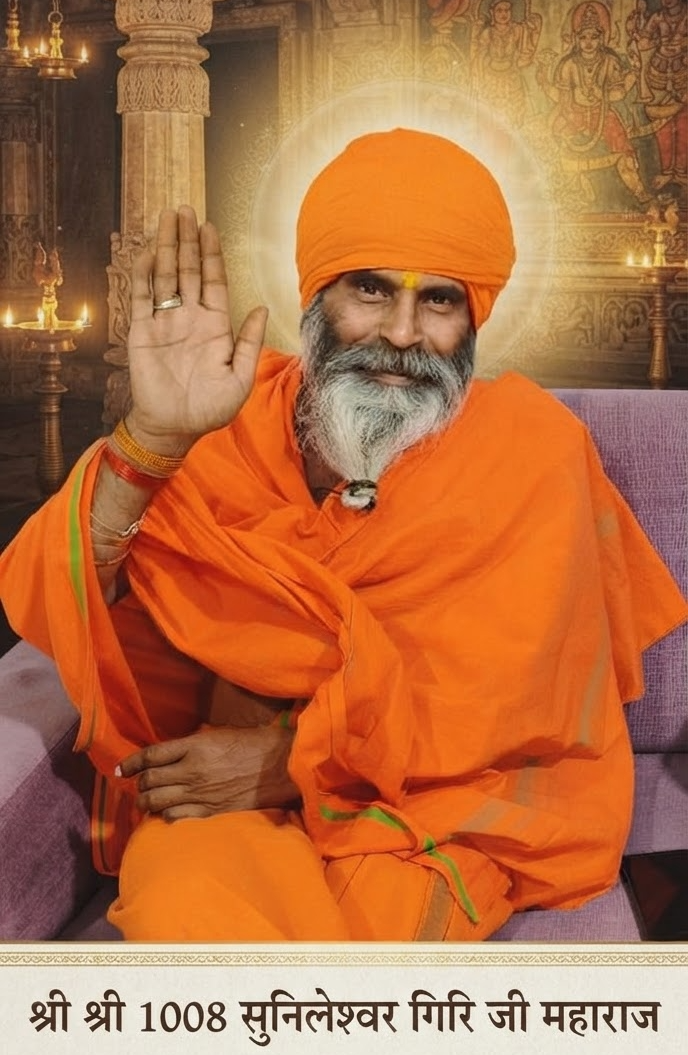
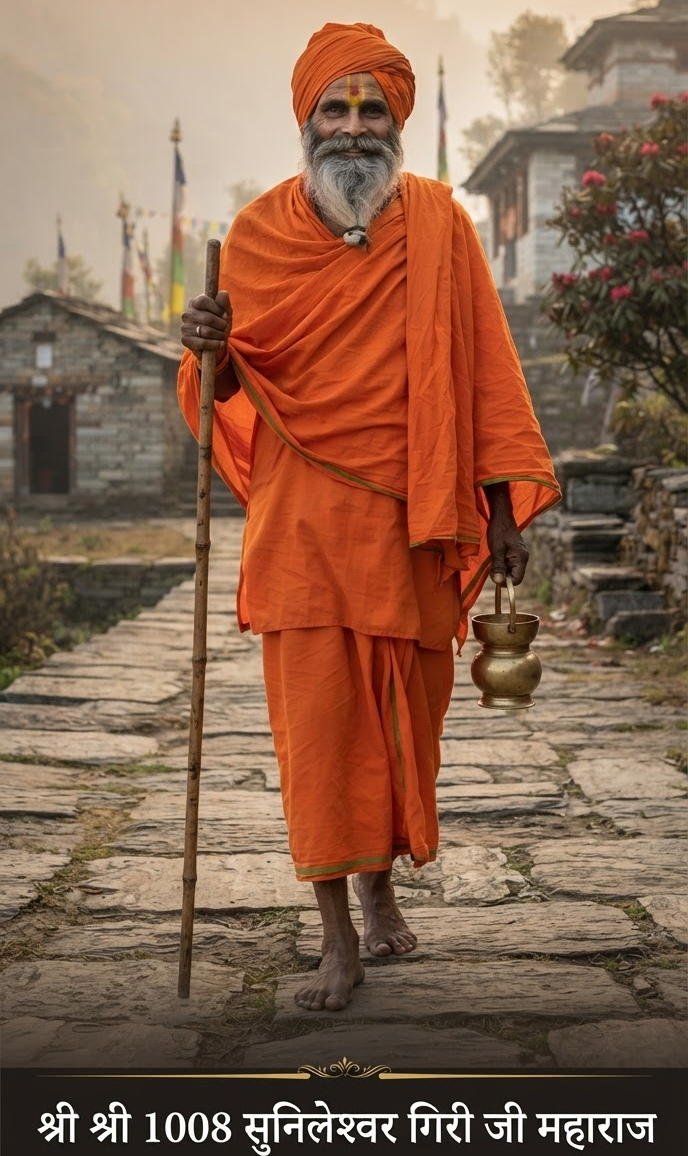
The International Council of Religions (ICR / अंतरराष्ट्रीय सर्वधर्म परिषद), guided by the vision of Founder Sunileshwar Giri Ji Maharaj, National Patron Shri Shri 1008 Mahamandaleshwar Sadhvi Bhavana Giri Ji, National Vice President Shakti Padiyar, and leaders nationwide, provides the physical and institutional mechanism to extinguish communal fires:
6. An Earnest Plea to the Mothers, Daughters, and Youth of the Nation
History proves that whenever violence erupts, it is mothers who lose their sons, wives who lose their husbands, and daughters whose futures are shattered. Women and youth must not remain silent spectators. You possess the moral strength and emotional wisdom to transform hearts.
Stand up as ambassadors of Sarva Dharma. When elders preach division out of past trauma or political conditioning, have the courage to preach love, forgiveness, and a shared future.
7. Frequently Asked Questions (Addressing the Roots of Fear)
Q1. Why should I be friendly with other communities when some extremists among them harbor hostility?
Answer: Extremists exist in every community, and their greatest victory is when good people succumb to general suspicion. By extending friendship and dialogue to sensible, peace-loving individuals of other faiths, you isolate the extremists and starve them of fuel.
Q2. Does practicing Sarva Dharma mean compromising on our cultural roots or faith?
Answer: Never! Just as respecting other people's mothers does not diminish your love for your own mother, respecting other religious traditions deepens your own spiritual maturity and dignity.
Q3. How can I join ICR’s ground-level peace missions in my locality?
Answer: Register your membership at https://icr-int.org/join-icr. ICR will connect you with your District and State unit to participate in local harmony meetings, peace marches, and interfaith service camps.
8. The Final Clarion Call: Choose Love Before It Is Too Late
Humanity stands before two clear paths: One path leads to the dark abyss of endless hatred, mutual destruction, and civilizational ruin. The other path—illuminated by the glorious light of Sarva Dharma and human brotherhood—leads to boundless prosperity, spiritual enlightenment, and everlasting peace.
Let us clasp hands across every divide. Let the temple bells, the sacred azan, the holy church hymns, and the soulful gurbani merge into one ete