International Council of religions ? ICR
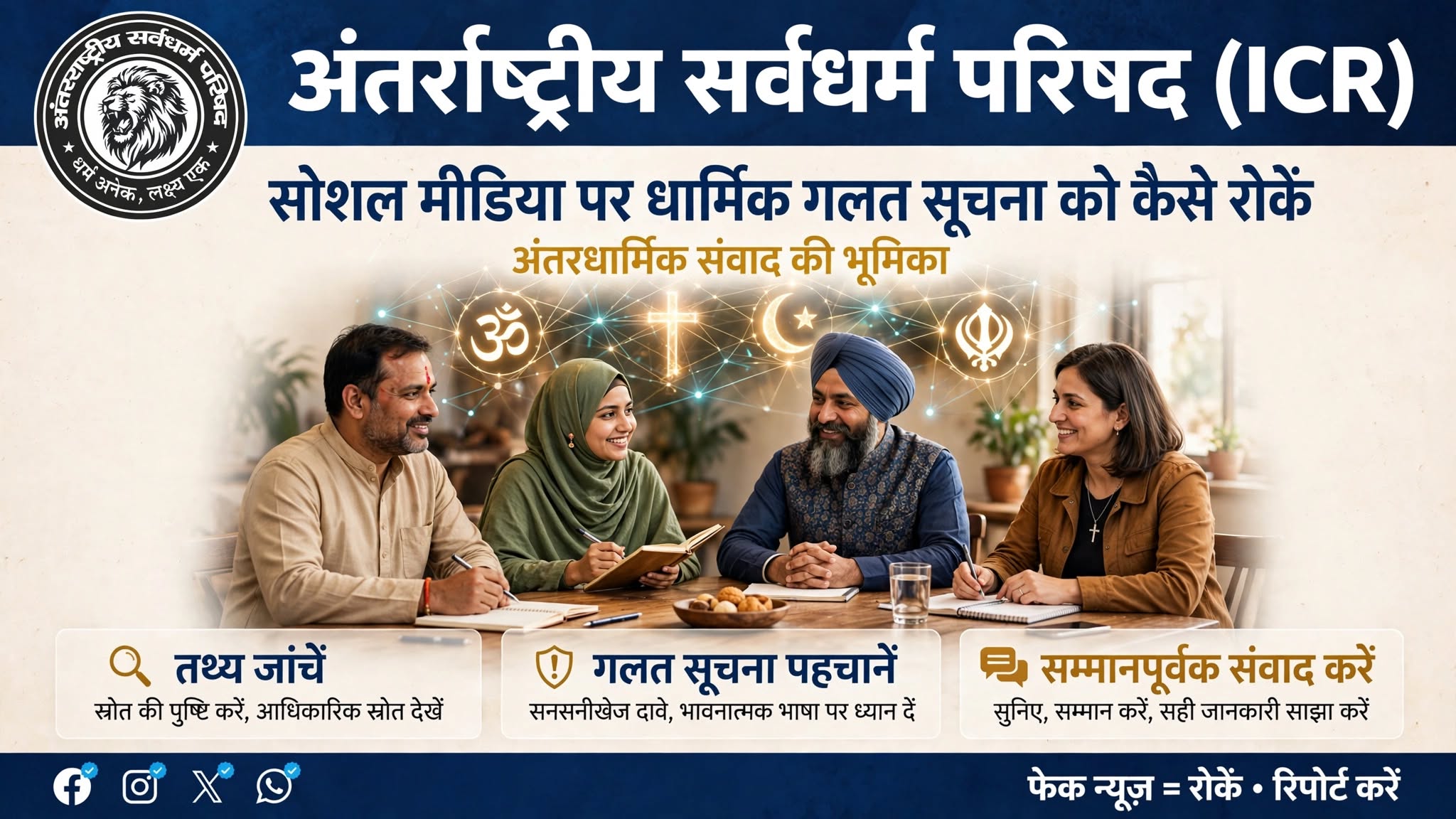
Why the International Inter-Religious Council ? The Urgent Need for Global Harmony in a Fragmented World
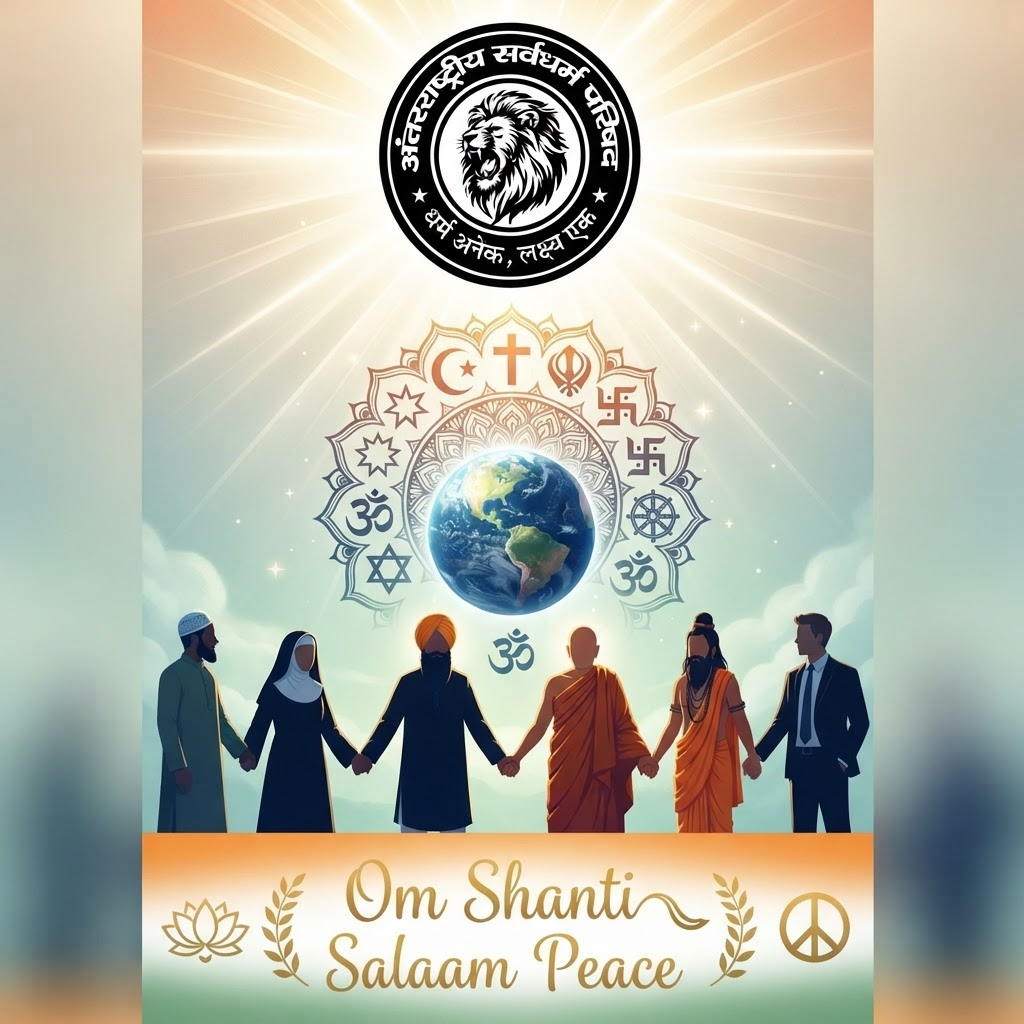
Introduction: A World Divided by Boundaries, United by Longing for Peace
In an era marked by geopolitical tensions, cultural polarization, and sectarian discord, humanity stands at a critical crossroads. While technological connectivity has shrunk geographic distances into fractions of a second, emotional and spiritual divides between communities have widened dangerously. The burning question of the 21st century is no longer just how we advance technologically, but how we coexist peacefully without destroying one another.
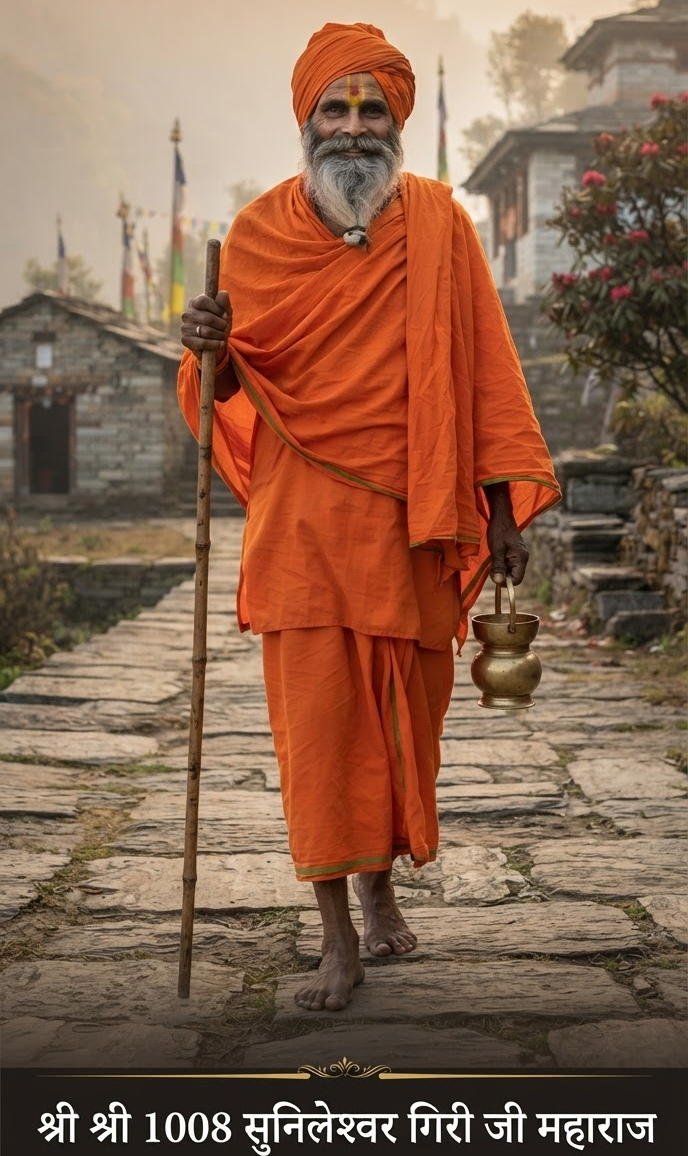
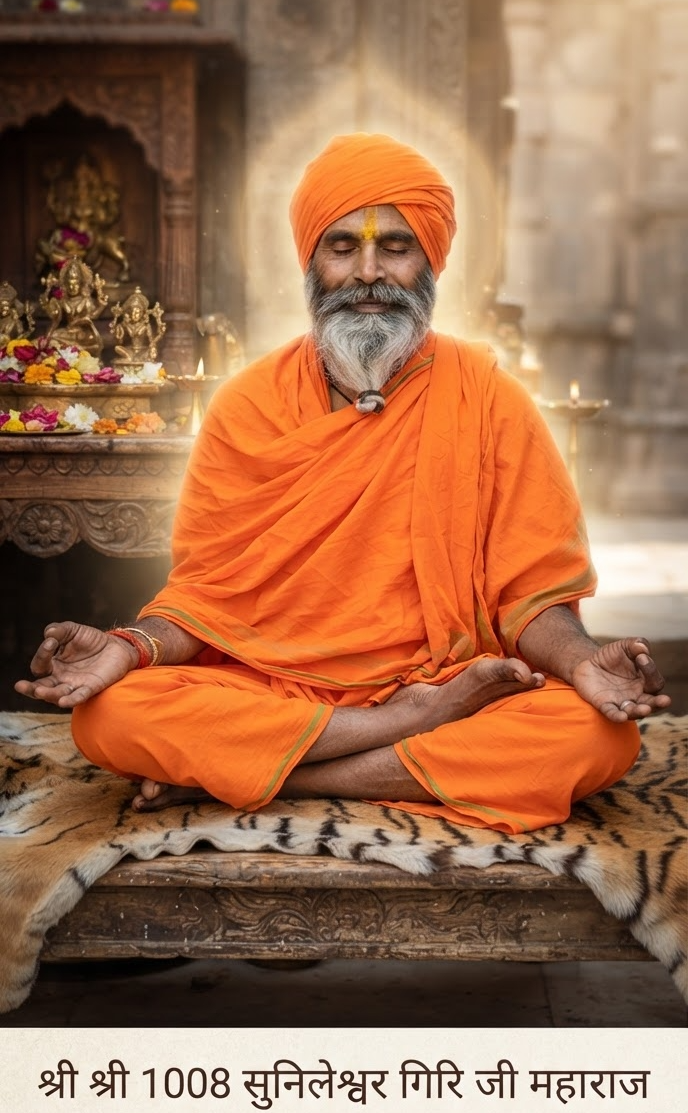
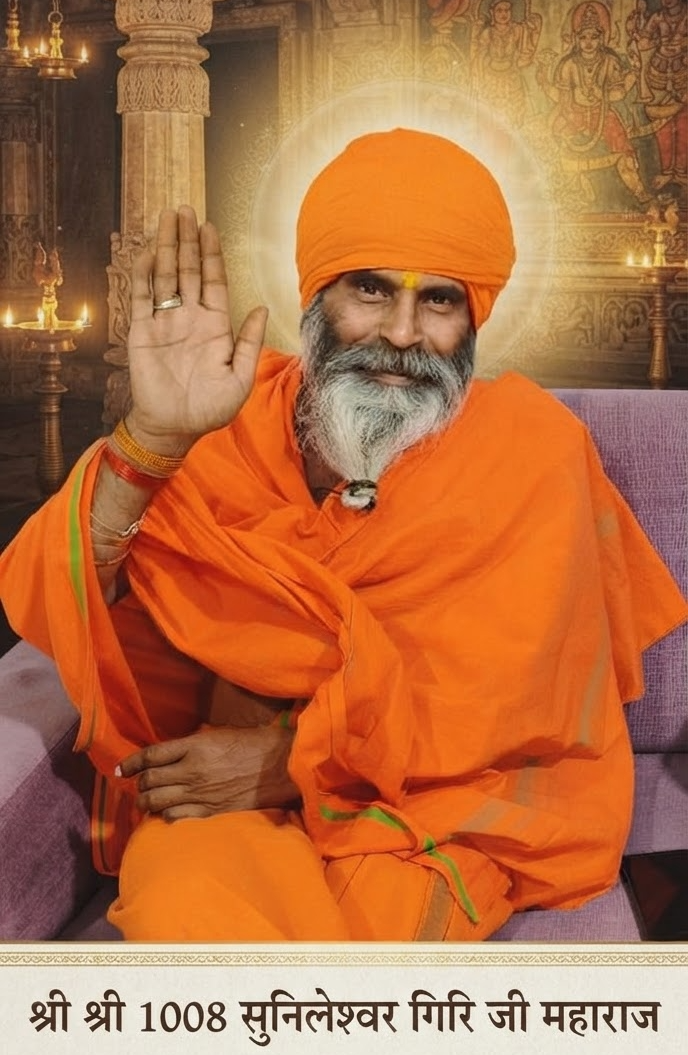
This pivotal existential crisis led to the inception of the **International Inter-Religious Council **. Founded by the visionary spiritual leader and saint, **Param Pujya Shri Shri 1008 Sunileshwar Giri Ji Maharaj** (who also established the historic *Trikal Akhada Mahasangh*), this global council serves as a beacon of universal brotherhood, dialogue, and compassionate action.
"Religion is not a weapon to divide hearts; it is a sacred bridge designed to connect humanity with Divinity and unite every living being in the bond of cosmic love."
— H.H. Shri Shri 1008 Sunileshwar Giri Ji Maharaj
At a Glance: The Genesis & Core Matrix of the Council
|
Key Dimension |
Strategic Overview |
|---|---|
|
Official Name |
(अंतरराष्ट्रीय सर्वधर्म परिषद) |
|
Founder & Visionary |
Param Pujya Shri Shri 1008 Sunileshwar Giri Ji Maharaj |
|
Guiding Philosophy |
Vasudhaiva Kutumbakam (The World is One Family) & Sarva Dharma Sambhava |
|
Core Mandate |
Interfaith Dialogue, Conflict Resolution, Human Welfare & Ecological Preservation |
|
Affiliated Network |
Trikal Akhada Mahasangh, Global Faith Leaders, Humanitarian Missions |
|
Global Relevance |
Bridging the gap between religious doctrines and real-world humanitarian solutions |
Why International Inter-Religious Council? 5 Compelling Pillars
To comprehend why the establishment of this council marks a historic turning point in global humanitarian efforts, one must analyze the five fundamental crises it addresses directly:
1. De-escalating Religious Extremism Through Constructive Dialogue
Misinterpretations of religious scriptures have historically fueled mistrust and violence. The International Inter-Religious Council provides a structured, neutral, and dignified platform where respected leaders from Hinduism, Islam, Christianity, Sikhism, Buddhism, Jainism, Judaism, Zoroastrianism, and indigenous traditions convene. By replacing hostile rhetoric with empathetic theological discourse, the council demystifies dogmas and highlights common moral foundations.
2. Translating 'Vasudhaiva Kutumbakam' from Philosophy to Action
Ancient Indian Vedic thought declared *'Vasudhaiva Kutumbakam'*—the entire cosmos is a singular family. The Council breathes contemporary life into this ancient axiom. Whether responding to global humanitarian crises, refugee rehabilitation, or poverty alleviation, the council organizes non-discriminatory relief operations grounded in the ideal that serving human beings is serving God (*Nara Seva is Narayana Seva*).
3. Sacred Ecology: Uniting Faiths for Planetary Preservation
Climate change, pollution of sacred rivers (like the Ganga and Yamuna), deforestation, and biodiversity loss are not merely scientific challenges; they are profound spiritual and moral crises. The Council champions green pilgrimages, massive afforestation drives, and animal welfare (including indigenous cow protection), mobilizing faith communities worldwide as active stewards of Mother Earth.
4. Moral and Spiritual Rehabilitation of the Youth
In a hyper-digitalized world, young generations face acute crises of purpose, leading to mental health struggles, addiction, and ideological alienation. The Council organizes value-based youth leadership programs, mindfulness and yoga retreats, and anti-substance abuse campaigns, channeling youthful vitality into nation-building and spiritual elevation.
5. Harmonizing Tradition with Universal Inclusivity (Trikal Akhada Synergy)
Through the synergistic leadership of Pujya Sunileshwar Giri Ji Maharaj—who also established the **Trikal Akhada Mahasangh**—the council uniquely bridges ancient monastic discipline with modern interfaith outreach. It preserves traditional monastic values and saintly heritage while fearlessly embracing global dialogue, proving that deep roots in one's tradition enhance rather than impede universal tolerance.
On-Ground Impact: Key Global Initiatives & Projects
How the Council Differs from Conventional Global Bodies
Unlike political or purely bureaucratic organizations, the International Inter-Religious Council functions with genuine spiritual authority and grassroots moral trust. It is driven by compassionate vows (*Sankalpa*) rather than diplomatic expedience, making its resolutions profoundly impactful at the societal root level.
Frequently Asked Questions (FAQs) – Google Search Snippets
Q1: What is the International Inter-Religious Council (अंतरराष्ट्रीय सर्वधर्म परिषद)?
Ans: It is a premier global interfaith organization founded by H.H. Shri Shri 1008 Sunileshwar Giri Ji Maharaj dedicated to fostering universal peace, communal harmony, humanitarian service, and environmental protection across all faith traditions.
Q2: Who is the founder of the International Inter-Religious Council?
Ans: The council was founded by revered spiritual saint and visionary Param Pujya Shri Shri 1008 Sunileshwar Giri Ji Maharaj, who is also the founder of Trikal Akhada Mahasangh.
Q3: Why was the International Inter-Religious Council established?
Ans: It was established to counter global religious radicalism, promote mutual respect between different belief systems, alleviate poverty through selfless service, and mobilize spiritual communities for environmental preservation.
Q4: How does the Council collaborate with Trikal Akhada Mahasangh?
Ans: While the Council focuses on global interfaith dialogue and international harmony, the Trikal Akhada Mahasangh strengthens traditional monastic discipline, saintly unity, and the preservation of Sanatan spiritual heritage.
Conclusion: An Urgent Call to Collective Conscience
TheInternational Council of religions (अंतरराष्ट्रीय सर्वधर्म परिषद) is not just an organization; it is a global humanitarian movement whose time has come. In a world yearning for healing, the timeless message of H.H. Sunileshwar Giri Ji Maharaj reminds us that when diverse streams of faith converge in the ocean of universal compassion, true world peace ceases to be a utopian dream and becomes a living reality.
"May all beings be happy, may all beings be peaceful, may all behold what is auspicious, and may none suffer."
Om Shanti, Shanti, Shanti — Peace unto all worlds.
📢 Join the Movement: Share this article across platforms and become an ambassador for universal brotherhood and global peace.